If West Lombok is about beaches and nightlife, East Lombok feels like the quieter sibling who secretly has the better personality.
This part of the island is where Lombok slows down. The roads become greener, the air cooler, and the scenery somehow looks more dramatic every few kilometers. East Lombok is often overlooked by first-time tourists rushing toward the Gili Islands or Kuta Lombok, but honestly, this region might be the island’s biggest hidden gem.
The first thing people notice here is the landscape. Rice terraces spread across hillsides like giant green staircases, especially around Tetebatu and Sembalun. Unlike Bali’s more crowded rice fields, East Lombok’s terraces still feel raw and authentic.
Farmers work the land by hand, small villages sit quietly between the fields, and Mount Rinjani stands proudly in the background like a giant guardian watching over everything.
Tetebatu is probably the best place to experience this atmosphere. Often called “the Ubud of Lombok,” Tetebatu offers the same peaceful vibe but without the traffic jams, influencer queues, or overpriced smoothie bowls.
Here, travelers walk through rice paddies, bamboo forests, and waterfalls while hearing birds instead of motorbikes. Life moves slowly, and honestly, that’s the charm.
The village is also deeply connected to Sasak culture, the traditional culture of Lombok. Visitors can stay with local families, watch traditional farming activities, and experience daily life that still feels genuine instead of “tourist-packaged.”
But East Lombok is not only about relaxing scenery. This region is also the main gateway to one of Indonesia’s most legendary adventures: Mount Rinjani.
Standing at 3,726 meters, Mount Rinjani is Indonesia’s second-highest volcano and one of Southeast Asia’s most famous trekking destinations. The mountain dominates East Lombok’s skyline and shapes almost everything around it, from climate to agriculture.
Most trekkers begin their journey from Sembalun Village, a beautiful highland valley surrounded by rolling hills and farmland. Sembalun itself already feels like a destination worth visiting even before the hike begins. Strawberry farms, vegetable fields, cool mountain air, and endless green views make the area feel almost unreal at sunrise.
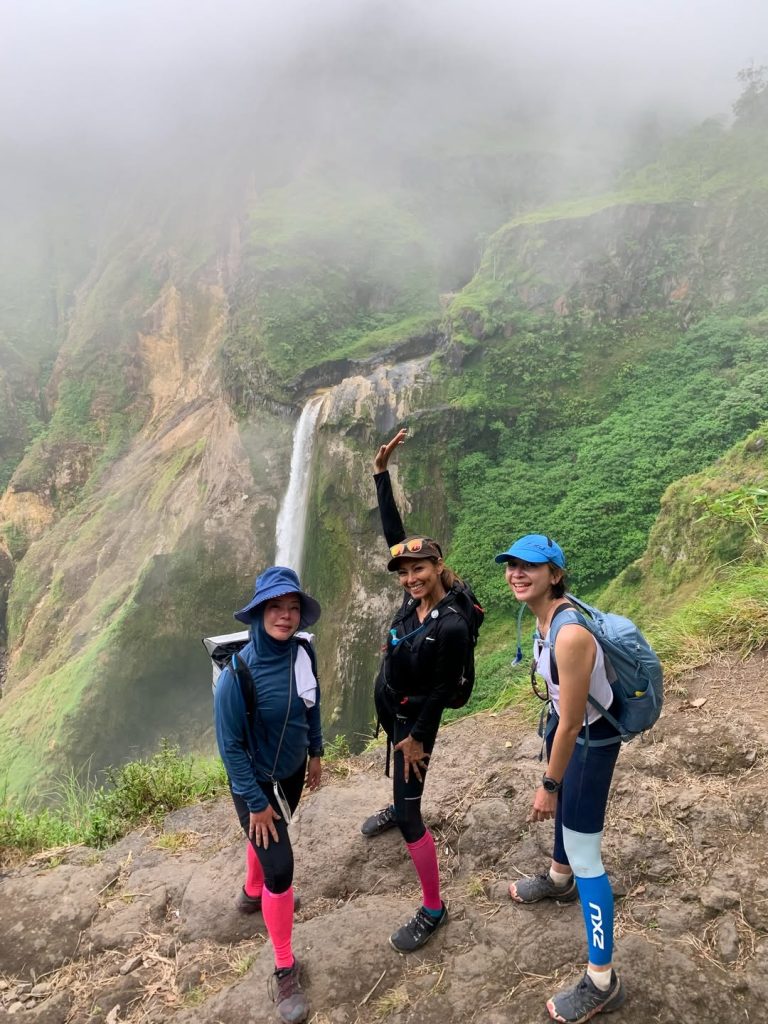
The trails take travelers through savannah landscapes, forests, volcanic craters, hot springs, and the famous Segara Anak crater lake. Many hikers describe the sunrise from the summit as one of the best views in Indonesia — the kind of moment that makes your legs forgive the suffering from the climb.
And even if climbing a volcano sounds too extreme, East Lombok still offers plenty of easier adventures. Pergasingan Hill, Bukit Selong, hidden waterfalls, and quiet coastal areas provide incredible scenery without needing professional hiking skills.
What makes East Lombok special is that it still feels untouched. Tourism exists, but nature and local life still dominate the rhythm of the region. There are no giant beach clubs everywhere, no endless traffic, and no feeling that the island has lost itself to tourism. Instead, East Lombok offers something rarer these days: authenticity.